

Context
The region of Aragón is an autonomous community in northeastern Spain, characterized by a remarkable variety of landscapes, from the Pyrenean mountains and alpine valleys with glaciers, to rolling hills, deep canyons, the Ebro River basin, and vast steppe areas. It is also renowned for its rich historical and architectural heritage, especially the Mudéjar style, which blends Islamic and Christian elements.
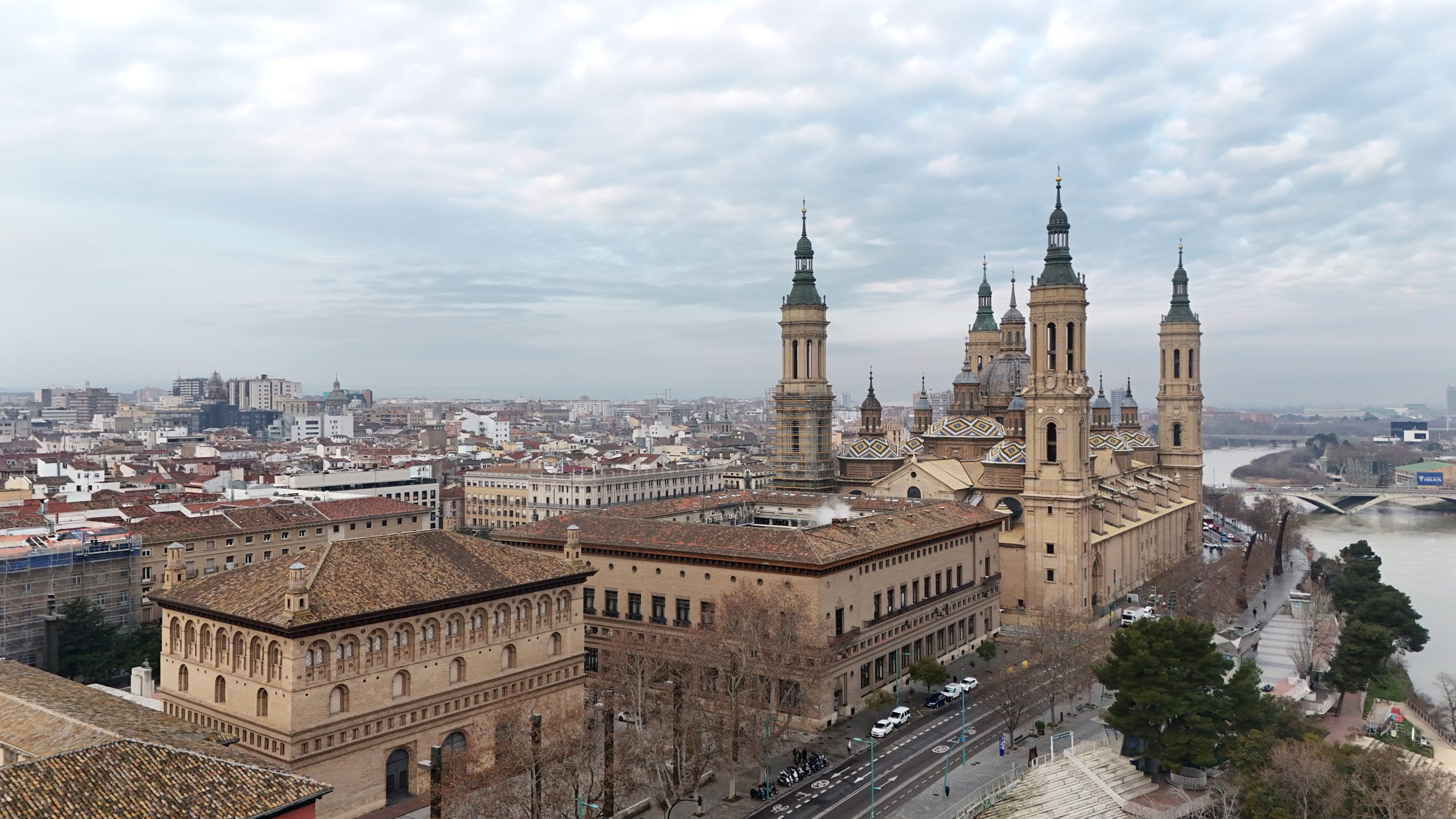
The regional capital is Zaragoza, the most populous city in Aragón, is a key hub for transportation, commerce, and logistics. The city combines history and modernity: its compact, heritage-rich centre is home to numerous landmarks, while the surrounding districts have seen significant growth, especially in logistics and residential development. Zaragoza continues to expand with strong public services and a focus on sustainable urban planning, including green infrastructure and eco-friendly neighbourhoods.
Zaragoza has a semi-arid climate with Mediterranean influences. Summers are hot and dry, often exceeding 35°C, while winters are relatively mild. In recent years, however, the city has faced significant climate challenges, which have driven it to take proactive measures. Zaragoza is now recognized as a leading city in climate adaptation, with for example a Sustainable Energy and Climate Action Plan and implementing green infrastructure and urban renaturalization.
Stakeholders
Government of Aragón
The Government of Aragón is striving to keep pace with scientific knowledge, which often moves faster than the implementation of policies and solutions across such a large and diverse region. While European funding provides crucial support, the government sometimes faces challenges related to limited human resources. A key point of convergence with the Adaptation AGORA project is the shared emphasis on citizen participation, which allows decision-makers to explore scenarios that would otherwise be difficult to identify. Another essential pillar for the government is combating misinformation.
Aragón is implementing several policy strategies, including the Aragón Climate Change Strategy, a living document that evolves alongside the region’s economic and social development. The government is also advancing nature-based solutions and spatial renaturalization initiatives. A flagship initiative is the Aragón Climate Week, a series of events in collaboration with institutions, associations, and private partners. This week-long program spans the region, providing information, tools, and practical actions to support adaptation and mitigation efforts for the entire Aragonese society.
Zaragoza City Council
The primary goal of Zaragoza is clear and ambitious: to become a resilient and climate-neutral city by 2030. The city is addressing climate change through a broad range of actions, fully aligned with European Union and national policies. Zaragoza is implementing measures within its adaptation plan, as well as initiatives linked to the mission of “smart and climate-neutral cities,” of which it is an active member.
The connection with the Adaptation AGORA project lies primarily in citizen participation: listening to residents’ voices, understanding their needs, and involving them in decision-making. Equally important is ensuring that these decisions are communicated effectively, minimizing the risk of misinformation or misunderstanding.
University of Zaragoza
The academic world in Zaragoza represented a stakeholder genuinely open to dialogue, sharing a mindset aligned with the project’s approach. The University of Zaragoza strives to remain engaged with society rather than isolating itself within a bubble of publications and research. It aims to serve as an example of good governance, fostering proactive attitudes and a mindset open to change. Research must go hand in hand with citizens and their needs, to truly understand the gaps and challenges society faces at any given moment. Only by doing so can research become genuinely useful, helping to address societal problems and tackle global challenges effectively.
Civil Society
From the perspective of social innovators, the key priority is to place people at the centre of decision-making processes. Achieving this goes beyond simply following a participatory approach, it requires ensuring that all citizen profiles are considered. Inclusion is a fundamental pillar of any process aimed at developing solutions that truly serve the city, society, and the residents who live within it. Citizens must become active agents of change, enabling them to see their ideas and solutions materialize in ways that are well-suited to their social and geographical environments.
Challenges
The Aragón region, located in northeastern Spain, is particularly vulnerable to water scarcity, biodiversity loss, and environmental degradation due to its semi-arid conditions and geographic diversity stretching from the Pyrenees to the Ebro Valley. In recent years, the region has faced rising temperatures, prolonged droughts, and increasingly frequent wildfires. Projections point to more intense heatwaves and a growing risk of desertification, especially in lowland agricultural areas where crop yields and livestock production, such as pig farming, already suffer from heat stress and high irrigation demands.
Aragón’s main vulnerabilities stem from its heavy reliance on water-intensive agriculture, combined with demographic challenges such as rural depopulation and ageing communities in isolated areas. These dynamics reduce the adaptive capacity of local economies and exacerbate social inequalities. Low-income and elderly populations, in both rural and urban contexts, are especially exposed, often lacking access to sufficient cooling systems, resilient infrastructure, or the financial means to implement adaptation measures.
Despite a robust climate strategy aligned with national and EU frameworks, Aragón continues to face significant hurdles in translating plans into local action. More effective coordination, funding, and regulatory support are urgently needed.
Urban centres like Zaragoza, where most of the pilot activities took place, face intensified urban heat island effects and heightened flood risks from extreme rainfall. With annual precipitation both scarce and unevenly distributed, the city is increasingly vulnerable to droughts and heatwaves. The heat island effect is particularly acute in older, densely built areas, while social inequalities, such as the lack of green spaces in lower-income neighbourhoods, further exacerbate these challenges.
Energy poverty remains also a pressing challenge in cities like Zaragoza, affecting vulnerable communities and limiting access to essential energy services. This topic was addressed in a dedicated webinar of the peer-to-peer learning series, together with the Municipality of Almada (Portugal) and Valencia (Spain), two followers of the Adaptation AGORA project and the city of Barcelona.
Participatory pathway
1. General structure
The project’s four pilot areas served as testing grounds for inclusive, community-led climate adaptation. Starting in 2023, each area followed a structured participatory pathway: an inception workshop to map key stakeholders, engage different target audiences and decision-makers, and identify local barriers and vulnerabilities; followed by focus groups with specific populations to better understand their concerns and unique perspectives; and culminating in a final co-creation workshop aimed at developing actionable proposals and contributions to adaptation measures. The emphasis was on soft adaptation measures, non-structural, low-cost actions like public education and early warning systems, that address real community needs without heavy infrastructure.
Across the broader Aragón region, 93 stakeholders from public institutions, civil society, health infrastructure, and business sectors were identified and actively engaged during the inception workshop. This approach effectively bridged community insights with policymaking, laying the groundwork for robust networks and long-term impact.
2. Inception workshop
September 2023: One of the core pillars of the Adaptation AGORA project is inclusion. To better understand both the adaptive capacity and the adaptation gap in Aragón, two inception workshops were organised: one in Valderrobres, the main town in the rural area of Matarraña and another in Zaragoza, where most pilot activities were concentrated. These workshops provided an initial participatory diagnosis of the region’s exposure to climate change, bridging perspectives from both rural and urban contexts.
In Zaragoza, participants identified desertification, water scarcity, extreme temperatures, and the wider impacts of climate change on health and social inequalities as the most pressing risks. Through participatory methods such as impact mapping and topic prioritisation, key entry points for co-creation emerged, particularly around social inequality and water-related vulnerabilities.
Discussions highlighted urban-rural disparities, ageing populations, and the concentration of vulnerable communities as central challenges. In Zaragoza, participants also emphasised the need to tackle broader socio-spatial injustices alongside climate risks.
The workshops concluded with a shared recognition that critical issues such as social inequality, public health, and water poverty must serve as priority areas for action. These themes were later further explored through citizen and stakeholder co-creation within the Adaptation AGORA focus groups.
3. Focus groups
In Zaragoza, as in the other pilot regions, the Summer 2024 focus groups engaged specific target groups: young people, workers, multicultural communities, and a group of elderly residents from the rural area of Matarraña. In the rural area, rather than following a rigid co-creation methodology, the session created open conversational spaces where participants could share personal stories, such as memories of past heatwaves.
In Zaragoza, the focus group’s proposals centred on the social dimensions of adaptation, particularly inequality and the limited responsiveness of institutions. Participants underlined the importance of education not only as a tool to raise awareness but also as a way to strengthen critical thinking. They highlighted that education could play a decisive role in countering misinformation, fostering informed engagement, and promoting both social inclusion and active participation in climate action.
4. Co-creation workshop
At the beginning of 2025, in Zaragoza, the final co-creation workshop was built directly on the local concerns, vulnerabilities, and proposals co-developed by citizens, using the focus groups outcomes as a basis. During the focus groups, themes such as urban heat, social inequality, rural-urban disconnection, and working conditions were highlighted. The need for public infrastructure that supports resilience (e.g., climate shelters), for improving the working conditions during heatwaves, and for inclusive public awareness strategies, were part of the discussions. These insights were not only taken forward as topics during the final co-creation workshop but also helped shape its structure, which was devised to refine, prioritise, and further co-create solutions around these citizen-identified needs. There, participants engaged in exercises to refine collaboratively and prioritise soft adaptation solutions initially identified during the earlier focus groups.
Results
Adaptation to climate change is not only about technical solutions but about inclusion, fairness, and listening to communities
The co-creation sessions in Zaragoza brought forward a set of soft adaptation solutions that link climate resilience with social inclusion. Participants emphasised that adaptation must not only respond to environmental risks but also address inequalities, depopulation, and gaps in governance. Across the groups, there was a clear preference for community-led, low-cost initiatives that foster participation, trust, and fairness, rather than purely technological approaches.
Youth highlighted the vulnerability of precarious and outdoor workers to extreme heat and prioritised improvements in working conditions. They also advocated for the creation of climate shelters as safe and accessible cooling spaces during heatwaves, and for policies that strengthen urban–rural connections, including ones to support young people in reconnecting with smaller villages, where climate pressures might be lower and more sustainable lifestyles could be encouraged. Young people called for climate education in schools and more inclusive communication strategies to counter misinformation with constructive, action-oriented narratives.
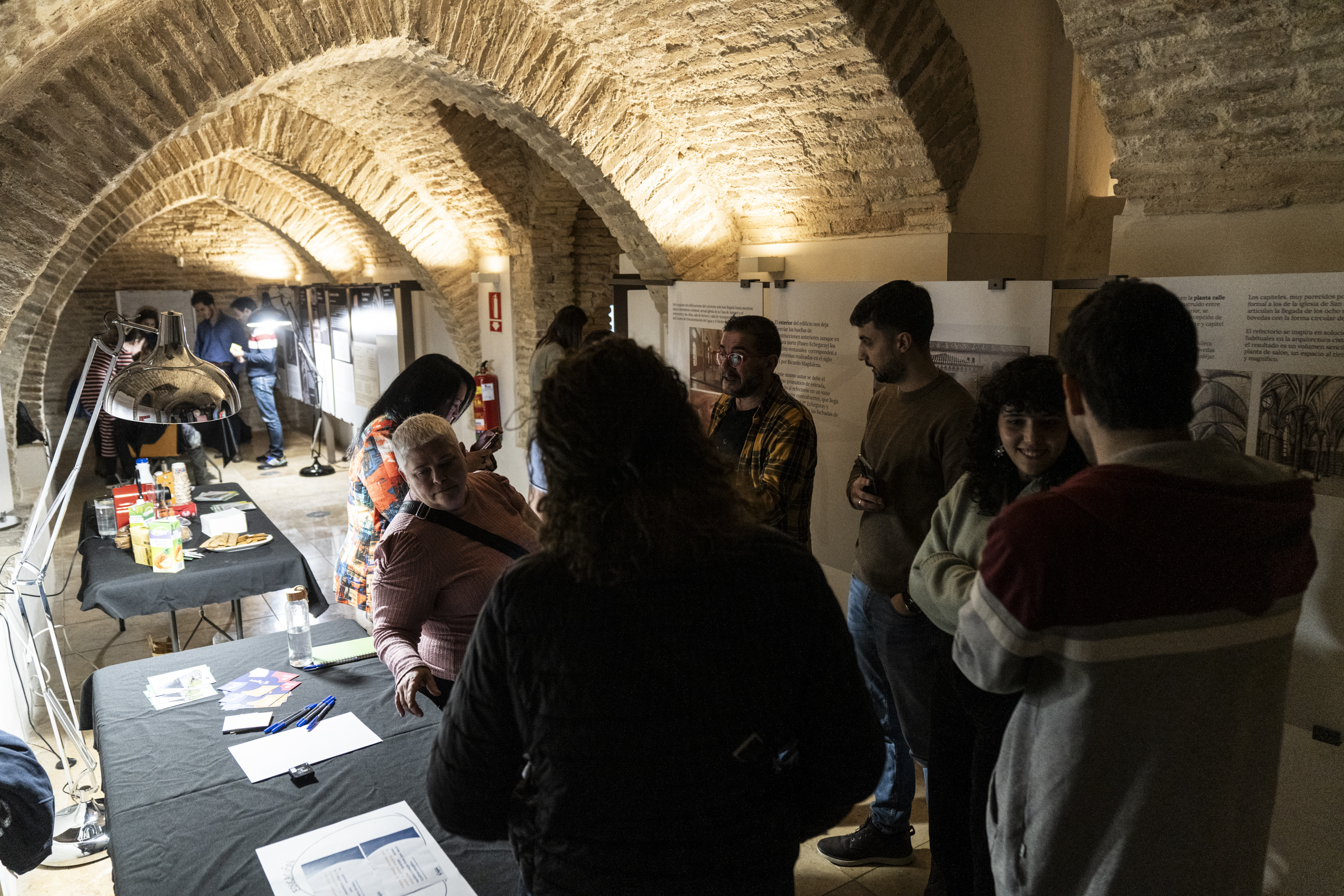
Workers echoed concerns about heat stress and like youth, they identified climate shelters and cooling infrastructure (shaded areas, hydration points) as urgent priorities.
Multicultural communities proposed solutions that integrate environmental measures with social equity. This included reforestation, the creation of energy communities to make renewable energy more inclusive, and clearer renewable energy policies accessible to marginalised groups. Importantly, they emphasised inclusive and multilingual communication to reach linguistically diverse communities and advocated for gender-sensitive climate migration policies.
Elderly participants in rural Matarraña contributed practical knowledge from past experiences, including coping strategies for heatwaves, while raising concerns about riverbed maintenance to reduce flooding risks and about the impacts of prolonged droughts.
These insights highlight how citizens in Zaragoza view adaptation as inseparable from inclusion, fairness, and everyday community life, making social justice the foundation of resilience.

