

Context
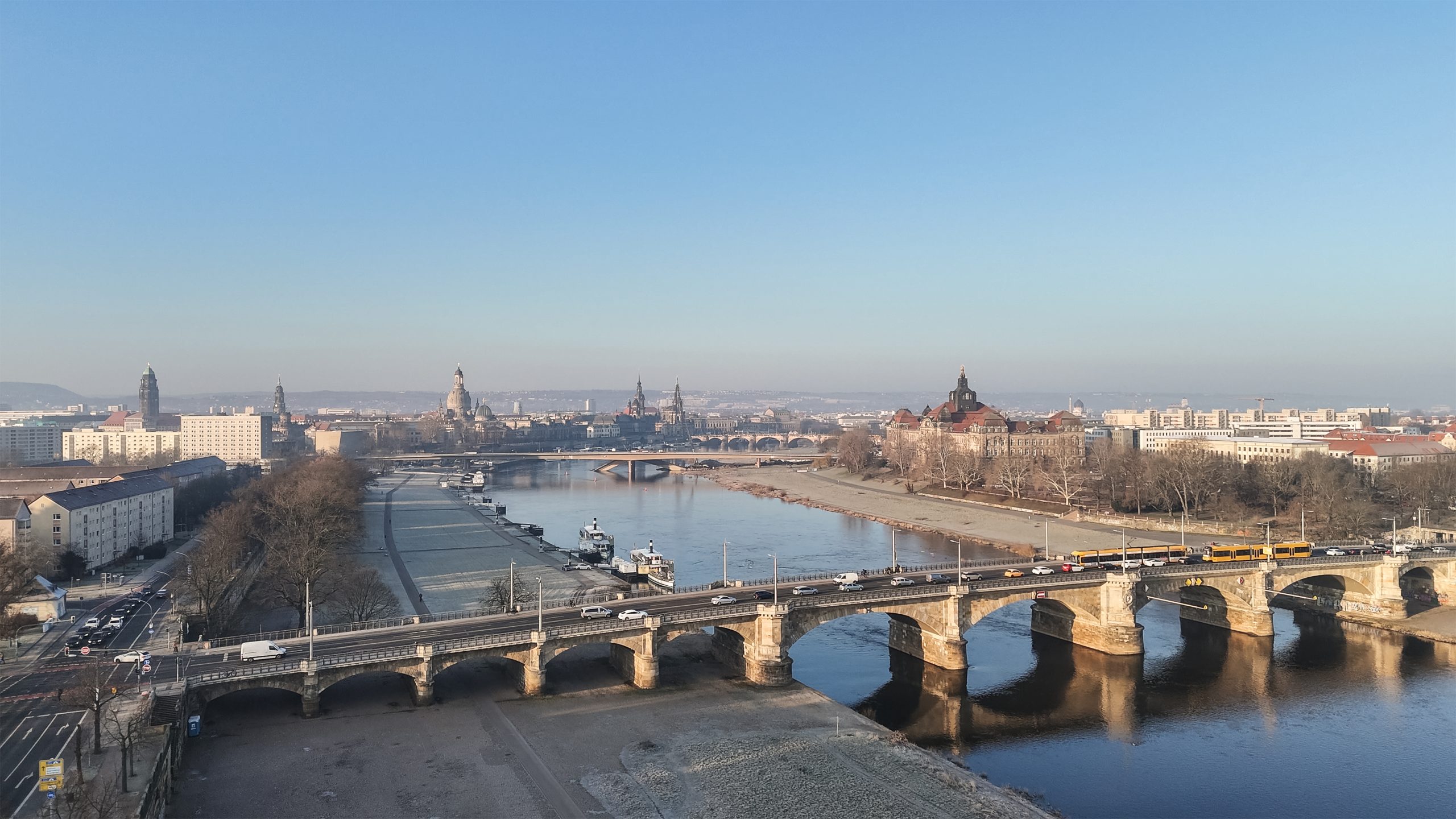
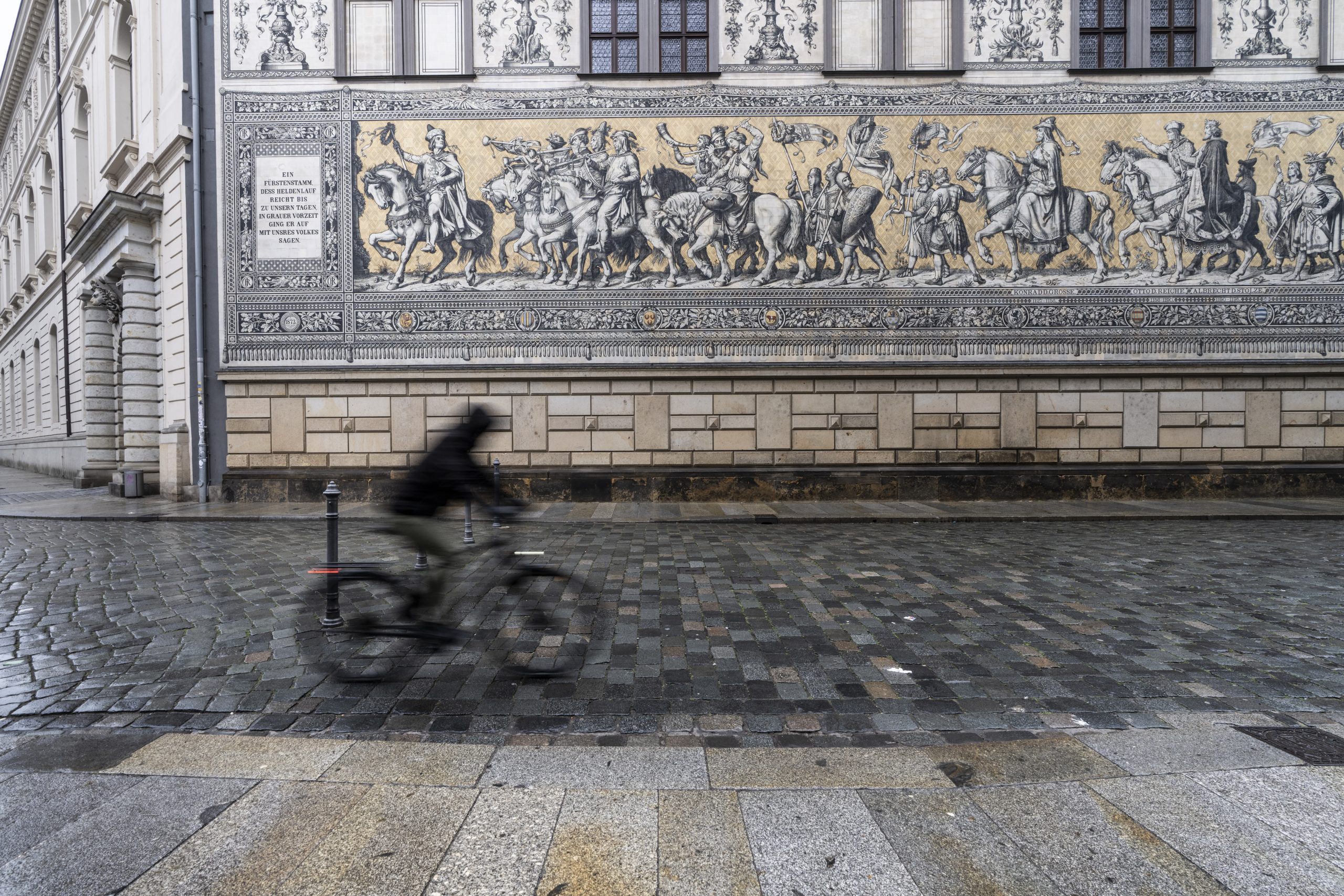
Dresden, the capital of Saxony in eastern Germany, is set along the banks of the Elbe River and its valley, once recognized as a UNESCO World Heritage Site. Known as the “Florence on the Elbe”, the city is celebrated for its baroque architecture, rich cultural legacy, and abundant green spaces.
Dresden’s history is marked by resilience as much as by beauty. Since 1989, like many major urban centers in Saxony, the city has experienced steady population decline due to migration to the former West Germany. Yet demographic shifts tell only part of its story. Over the centuries, Dresden endured repeated devastation: a great fire in 1491, Prussian bombings in 1760, the violent suppression of the 1849 constitutional protests, and most tragically, the Allied air raids of 1945, which left much of the city in ruins.
The urban fabric today reflects both continuity and renewal. The Altstadt (Old Town), with its Renaissance and baroque landmarks, has seen many of its iconic buildings meticulously reconstructed to their former grandeur after wartime destruction. Across the river, the Neustadt (New Town) serves as both a residential and governmental hub, renowned for its vibrant cultural scene, contemporary art, and lively nightlife, an alternative and creative counterbalance to the historic center.
Dresden is also one of Germany’s greenest cities: over 60% of its territory is covered by forests, parks, and open spaces. This commitment to preserving the natural environment is reflected in the city’s planning and development strategies. At the same time, Dresden’s context, shaped by ageing infrastructure, demographic challenges, and urban growth, has fostered a pragmatic, institutionally focused approach to climate adaptation and sustainable development.
Stakeholders
The stakeholders involved in this pilot case study were diverse, ranging from institutions in the health sector to private companies, associations, and representatives of the municipal administration. The process of mapping stakeholders in each pilot region not only provided an overview of relevant actors but also created entry points to reach specific target groups and citizens. In many cases, stakeholders acted as bridges, enabling more direct and active engagement with the public.
Through this collaboration, the project gained valuable know-how and a deeper understanding of the challenges involved in reaching target populations. One key lesson was that it is often more effective to go where citizens are , in their own spaces and contexts, rather than simply inviting them to come to the project.
The city of Dresden
Another key stakeholder in the Dresden pilot case was the municipality itself. In recent years, the city has been experiencing a range of climate change impacts, including heatwaves, rising temperatures, and flooding. One of the main priorities for the administration has been addressing extreme heat, which grows more intense with each passing year. Since 2017, an interdisciplinary team of researchers and operational partners has been working on how urban neighborhoods and buildings can better adapt to summer heat. From this effort, the HeatResilientCity project was launched: a transdisciplinary initiative aimed at exploring how densely populated districts, such as Dresden-Gorbitz, and their residents can be protected from extreme heat.
Following the record-breaking temperatures of July 2023, the project also produced a “Heat Handbook” for professionals in the health, social, educational, and housing sectors. The handbook provides practical guidance on preventing and managing the impacts of heatwaves, with a strong focus on the Gorbitz district. It includes information on Dresden’s urban climate, introduces the health consequences of extreme heat, and highlights the specific factors that contribute to heat stress in the neighborhood.
Building on these efforts, the city is also developing a comprehensive Heat Protection Plan to safeguard public health against increasingly frequent and intense heatwaves. Across all these actions, Dresden’s administration places strong emphasis on citizen engagement, recognizing that effective adaptation requires the active involvement of residents. The collaboration with the project has been instrumental in strengthening the city’s know-how on how to meaningfully involve its citizens in co-developing climate adaptation solutions.
The municipal Hospital
The participation of Dresden’s municipal hospital as one of the city’s key stakeholders proved particularly important, as it shed light on the complex relationship between health care and climate change. This relationship is bidirectional, and it was explored in depth thanks to the involvement of healthcare professionals in the project’s activities. For example, nurses experience the direct impact of extreme heat and heatwaves in their daily work, yet they can also play an active role in advancing adaptation measures within the hospital. These measures not only enable them to work under better conditions but also ensure that patients, who often feel the effects of climate change most acutely, either by developing new conditions or by aggravating pre-existing ones, receive appropriate care in a safe and livable environment.
More broadly, the health sector in Germany is responsible for around 5% of national greenhouse gas emissions. For this reason, the municipal hospital is actively pursuing emission reduction strategies while also working to develop adaptation solutions, efforts that have been further strengthened through its participation in and collaboration with Adaptation AGORA.
Private sector – Sandstorm
The city of Dresden is already implementing a variety of digital tools and online platforms to meet the needs of residents who are comfortable engaging through these channels, as well as to address a wide range of needs related to city resources that are not widely known. A clear example is the city’s thematic map, available on the municipal website, which highlights the locations of free drinking water in Dresden.
The city’s commitment to exploring digital tools as solutions to specific needs is already evident. One of the stakeholders attending the co-creation workshop was Sandstorm, a digital agency that combines technology, design, and sustainability to deliver bespoke digital solutions. With a strong focus on sustainable practices, Sandstorm applies sustainable coding, developing efficient, low-resource software.
Sandstorm is the agency behind Cleema, a free mobile app for Android and iOS designed to promote sustainable behaviour in everyday life, with a particular focus on Dresden. Its main goal is to engage and inform citizens on environmental issues, encouraging participation in local initiatives and raising climate awareness. The app uses gamification elements, such as challenges and quizzes, to inspire daily action.
This philosophy mirrors the Adaptation AGORA project’s approach in developing the AGORA Quiz app, also available for Android and iOS. Through an engaging, game-based format, the app invites citizens to explore the science of climate change, understand how it is communicated and sometimes distorted through disinformation, and learn about the core principles and practical measures of both adaptation and mitigation.
Non-profit Associations
The engagement with local non-profit associations proved equally valuable. A particularly active collaboration was established with Internationale Gärten Dresden, a volunteer-driven non-profit association dedicated to community gardening, integration, education, and intercultural exchange. Much like Adaptation AGORA, the association strives to give a voice to groups within society that are often unheard.
Its main goal is to create a community garden in Dresden where people from different countries can grow fruit and vegetables on equal terms, while getting to know each other and exchanging ideas. The International Gardens Dresden provides a space for personal initiative, self-organization, and the sharing of knowledge.
At the heart of the initiative lies the strengthening of everyday democratic culture and, consequently, civil society. Values such as inclusion, community participation, and network-building are closely aligned with the objectives of the project. The collaboration with the association offered practical and meaningful insights into citizen engagement.
Challenges
Dresden has an oceanic climate with continental influences, characterized by warm summers and relatively cold winters. In recent years, however, the city has become increasingly exposed to rising temperatures, drier summers, wetter winters, and more frequent extreme weather events. Vulnerability is further shaped by rapid urbanisation, population growth, and socio-demographic dynamics such as an ageing population. Densely built-up areas are particularly affected by the urban heat island effect, which amplifies overheating, raises public health risks, and increases energy demand.
The city’s location along the Elbe River and its tributaries also makes it highly susceptible to flooding during episodes of heavy rainfall, as demonstrated by the devastating floods of 2002 and 2013. More recently, flash floods and overloaded drainage systems have become increasingly common due to intense precipitation and rising groundwater levels, pushing both the Elbe and urban water infrastructure to their limits. Urban expansion and extensive soil sealing have further reduced natural water retention, underlining the urgent need for green infrastructure and decentralised rainwater management.
At the same time, Dresden is facing more frequent and intense storms and prolonged heatwaves, all linked to ongoing climate change. These trends present significant adaptation challenges across infrastructure, governance, and the economy. Energy systems, transport networks, and tourism infrastructure remain highly vulnerable to climate-induced disruptions.
In response, the city has launched several adaptation initiatives, including the “Schwammstadt Project” (Sponge City Project), which adopts the sponge city approach to enhance resilience. The concept reimagines the urban landscape as a resilient ecosystem designed to naturally absorb, store, filter, and reuse rainwater, reducing surface runoff and flood risks while recharging groundwater and improving the local microclimate.
Despite these efforts, progress remains uneven. Fragmented governance structures, outdated building codes, and limited financial resources continue to slow the pace of adaptation.
Participatory pathway
1. General structure
The project’s four pilot areas served as testing grounds for inclusive, community-led climate adaptation. Starting in 2023, each area followed a structured participatory pathway: an inception workshop to map key stakeholders, engage different target audiences and decision-makers, and identify local barriers and vulnerabilities; followed by focus groups with specific populations to better understand their concerns and unique perspectives; and culminating in a final co-creation workshop aimed at developing actionable proposals and contributions to adaptation measures. The emphasis was on soft adaptation measures, non-structural, low-cost actions like public education and early warning systems, that address real community needs without heavy infrastructure.
In Dresden, 256 stakeholders from public institutions, civil society, health infrastructure, and business sectors were identified and actively engaged during the inception workshop. This approach effectively bridged community insights with policymaking, laying the groundwork for robust networks and long-term impact.
The activities successfully involved key societal groups, including youth actively engaged in climate action, working populations in the health sector, multicultural communities, people with disabilities and seniors. Particular attention was given to ensuring broad representation across public authorities, local communities, civil society organizations, academia and research institutions, the private sector, and the media.
2. Inception workshop
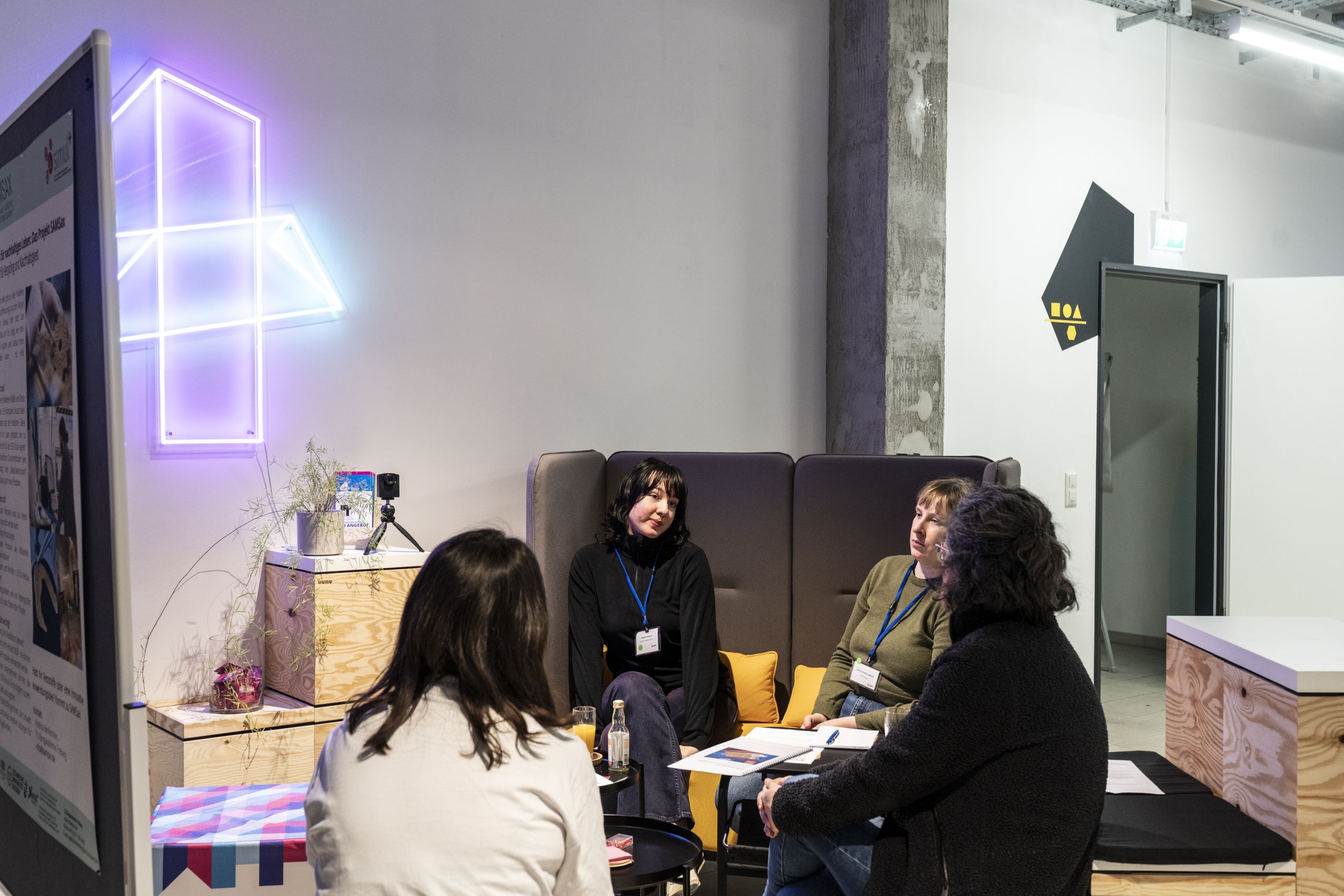
September 2023: The inception workshop in Dresden explored key climate-related risks, with heatwaves and heavy rainfalls and floods considered as the primary hazards of concern. Participants discussed how these risks affect the urban environment, including impacts on infrastructure, housing, and individual well-being. While both hazards were acknowledged, heatwaves emerged as a particularly pressing issue due to their increasingly frequent and prolonged occurrence in recent years. A central focus of the workshop was on how social vulnerability intersects with climate risks. Participants reflected on the fact that adaptation needs and capacities vary significantly across population groups. For example, senior residents and people with chronic illnesses or disabilities were seen as particularly at risk, especially when living in poorly adapted housing or alone, with limited access to information or support. Discussions also addressed economic vulnerability, such as limited access to air conditioning or other coping resources. From an inclusion and capacity perspective, the workshop highlighted several barriers to adaptation. These included limited public awareness, lack of institutional coordination, and insufficient representation of vulnerable communities in climate planning processes. At the same time, existing civil society initiatives, community-based networks, and the city’s infrastructure for public engagement were mentioned as potential assets for supporting local adaptation responses.
3. Focus groups
The co-creation of soft climate adaptation solutions was carried out through a series of focus groups across the four pilot regions. Across all pilots, particular attention was given to accessibility and inclusivity, including selecting convenient locations, scheduling sessions outside typical working hours, and adapting facilitation strategies to the needs of specific target groups. Each session began with a brief preparatory phase designed to establish a shared understanding of the session’s objectives and to create a welcoming, comfortable environment for participants.
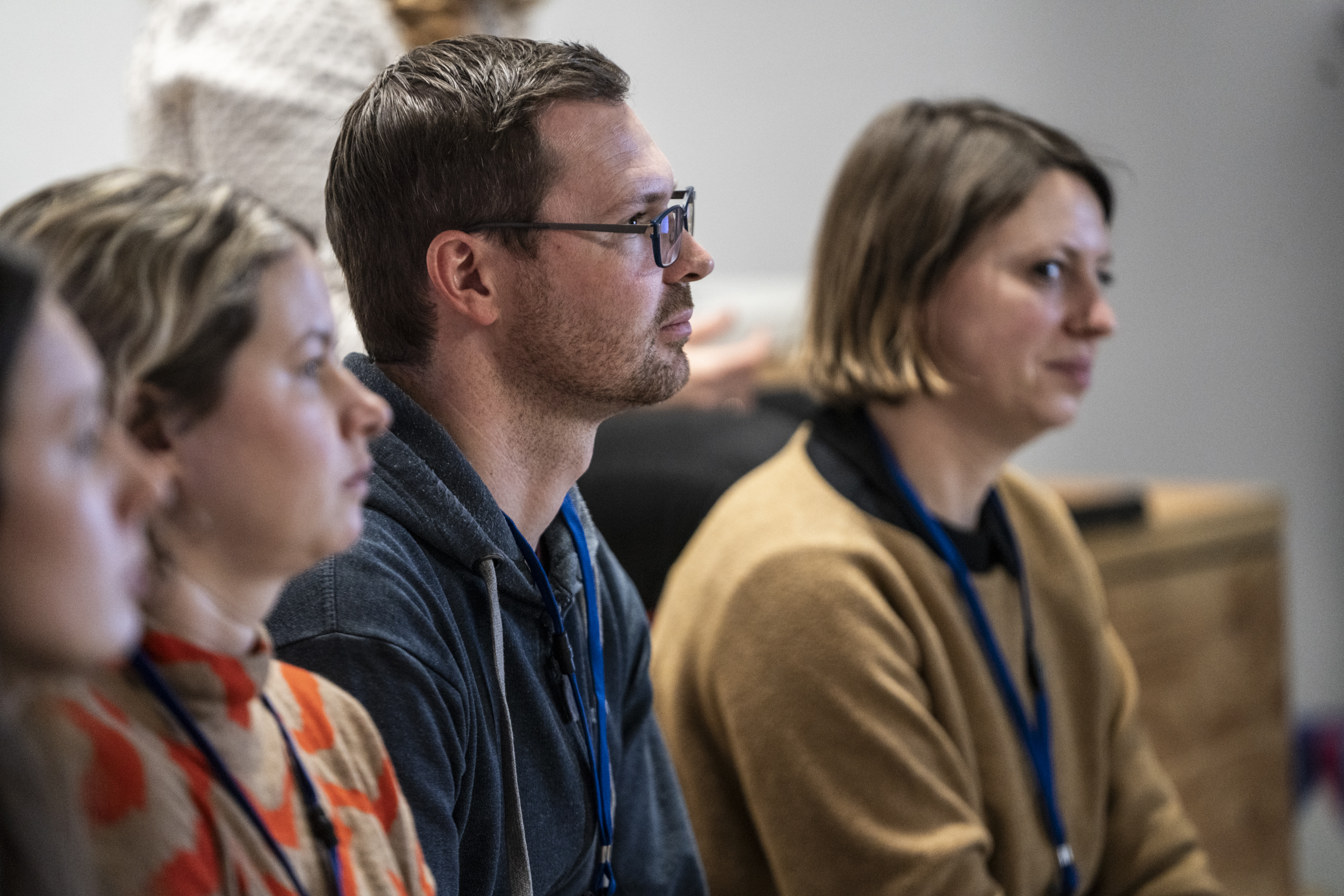
Summer 2024: In Dresden the first focus group involved youth actively engaged in climate action. Two additional focus groups engaged professional caregivers working in a public hospital. Another group consisted of participants from multicultural communities, who proposed several soft adaptation measures inspired by traditional knowledge from their countries of origin and adapted to the local context.
In Dresden, the co-creation process also extended to vulnerable populations, in addition to the target groups common across the other pilot regions. This was addressed through two separate focus groups: one with seniors, and another with people with disabilities and chronic illnesses. The latter group developed a set of measures prioritizing inclusive and accessible approaches to climate resilience, ensuring that adaptation strategies respond to the specific needs of all community members.
Vulnerabilities and the climate-health nexus were the focus of a dedicated webinar of the peer-to-peer learning series. The city of Dresden shared experiences and views with Grenoble and Barcelona.
4. Co-creation workshop
At the beginning of 2025 the final co-creation workshops were organised with the common purpose all over the four pilot regions to work on citizen-generated ideas from previous phases, evaluate their feasibility and relevance, and identify meaningful strategies for their implementation through inclusive engagement methods.
In Dresden, thematic sub-workshops were organised around four adaptation topics:
- Effective Climate Communication
- Participatory City Design (including Digital tools)
- Educational initiatives in schools
- Financing climate adaptation
These formed the basis for collaborative refinement, allowing participants to explore how the ideas emerging from the previous focus groups could be translated into concrete, actionable measures at the local level.
Results
Voicing the voiceless: awareness, citizen engagement and building a network
During the last co-creation workshop participants consolidated proposals from all focus groups into a few key directions: shifting from fear-based to inclusive messaging, enhancing digital participatory tools with features like mapping shaded areas and water points, promoting school-based awareness campaigns with hands-on learning and intergenerational exchange, and identifying funding strategies that integrate adaptation into existing city budgets.
Different groups brought different needs and perspectives during focus groups meetings:
- Youth in Dresden proposed a school-based awareness campaign on climate adaptation, combining hands-on climate education with community-led action groups. They emphasized that engagement should be enjoyable, accessible, and voluntary to be effective.
- Professional caregivers highlighted the dual challenge of safeguarding their own wellbeing while ensuring patient care. Proposed measures included heat-triggered protocols, more flexible work schedules, and adaptable work clothing systems, addressing both health protection and care standards.
- Multicultural communities focused on raising awareness and building solidarity around visible, everyday adaptation practices. They suggested soft adaptation measures inspired by traditional knowledge from their countries of origin, such as passive cooling techniques like using stored rainwater to water rooftops during heat events.
- Vulnerable populations, seniors and people with disabilities and chronic illnesses, developed measures reflecting their specific needs, particularly regarding extreme heat. They showed interest in accessible engagement formats, including surveys and online platforms, and expressed willingness to act as public representatives for campaigns promoting inclusive climate adaptation. Participants stressed the importance of inclusive formats, such as audio descriptions and simplified language, to ensure information reaches all community members.

