

From awareness to action
Climate change threatens to create a more unstable and dangerous present and future. We can see this through the increasing rate and intensity of storm events and weather extremes. This marks the importance of climate change awareness. Public awareness paves the way for managing climate impacts and reducing vulnerabilities. Building public awareness of climate change helps equip local authorities and communities with the knowledge and resources needed to adapt and respond to climate risks. Certain groups can be more vulnerable to the climate crisis than others, making climate change awareness vital for these groups to adapt.
Awareness of climate change can also lead to changes in behavior and societal support in adaptation measures. It helps people understand the causes, impacts, and urgency of climate change. By increasing public awareness, people can recognize how their daily choices, like driving a car instead of taking the bus, can contribute to greenhouse gas emissions. Having successful awareness campaigns, scientific communication, and education initiatives help supply people with accurate information that enable them to make informed decisions, and support adaptation policies and initiatives.
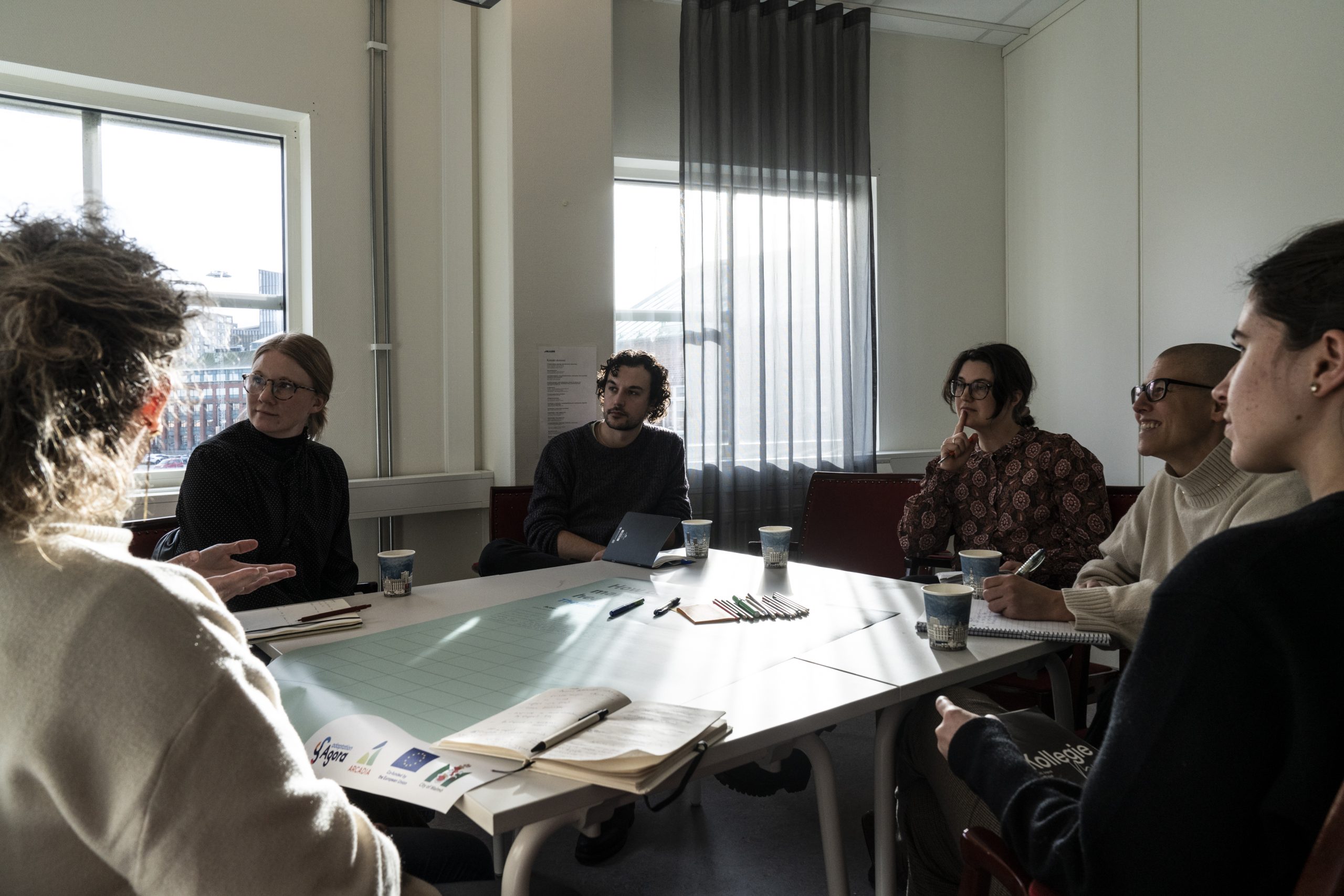
As public awareness grows, so does the sense of shared responsibility and collective action. Raising public awareness can increase enthusiasm. Climate change requires widespread participation from communities, governments, businesses, and individuals. When people are aware of the impact of climate change, they are more likely to demand stronger climate policies and more sustainable practices.
Capacity building is essential in raising public awareness. It equips people with the knowledge, resources, and skills needed to understand climate information and to take action. Capacity building goes farther than just providing information, it helps empower individuals, organizations, local governments, and whole communities to collaborate and build adaptation solutions that are best for their situation. Access to training, tools, and knowledge that make climate information relatable makes people more likely to engage, demand for solutions, and change behaviors. Capacity building also helps in bridging gaps of knowledge, especially for areas where climate impacts are great, but public understanding is limited due to the lack of resources and education. Capacity building is a long-term commitment, but one that will build climate resilience from the ground up.
In Adaptation AGORA, capacity building was heavily used throughout engagement activities. Building from other EU projects and from previous project activities, Adaptation AGORA compiled the best capacity building methods for successful engagement and maximized the potential of project events. For instance, storytelling was used throughout project workshops to connect with participants and to relay climate information in a more relatable and easy to understand way.
The capacity building tools, methods, and resources gathered from other projects and from Adaptation AGORA events have been compiled into various documents and reports, to help future projects, organizations, and communities apply capacity building methods to build public awareness and climate action.
Moreover, all capacity building resources produced under the project are systematised in a set of one-pagers which can be consulted as a catalogue. Peer-learning activities are also key to build strong networks and facilitate mutual exchange.
Communication and engagement
Communication and engagement at the heart of climate solutions
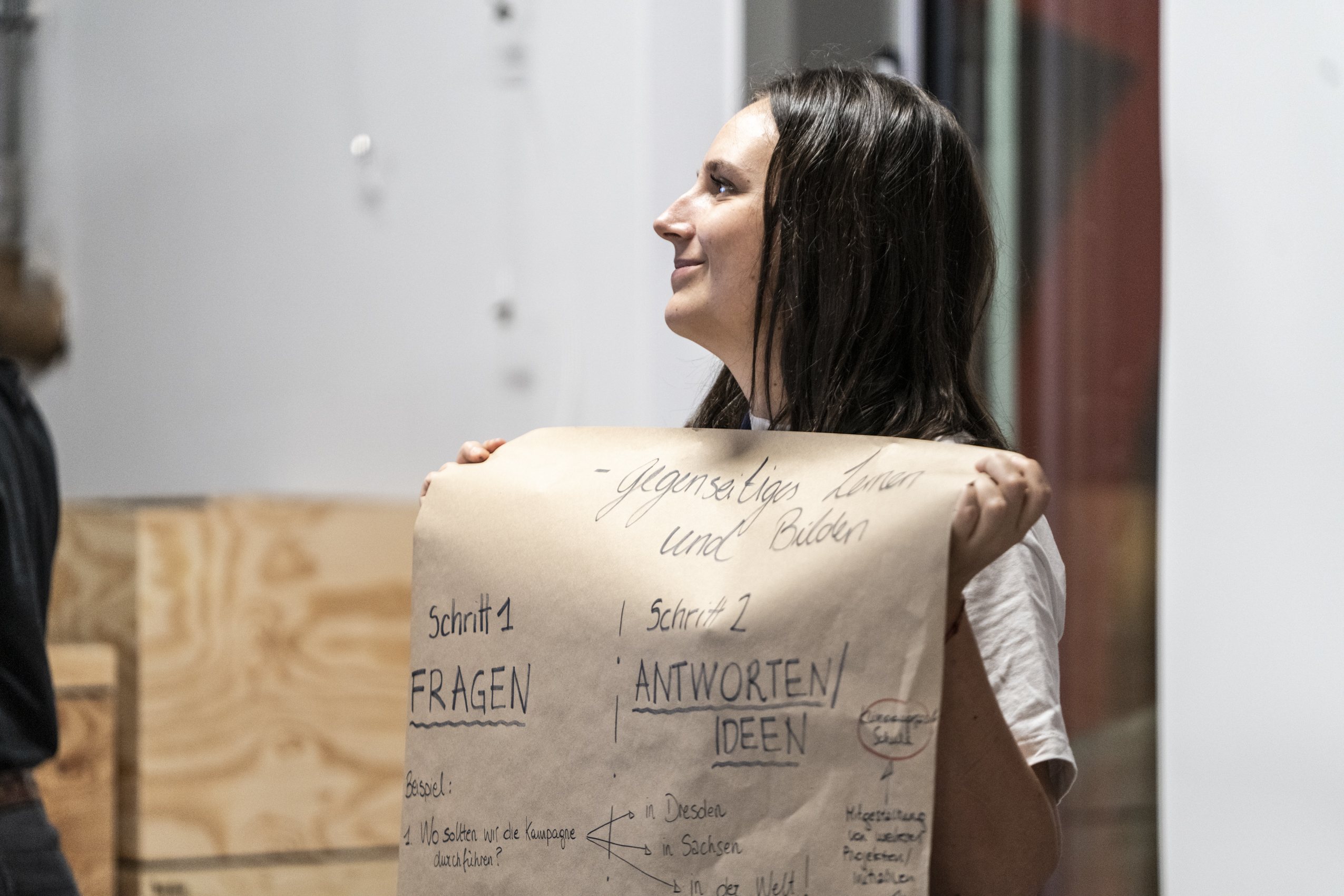
Raising public awareness can take many forms, and as everyone responds differently, using multiple communication styles and engagement strategies is the best way to raise awareness throughout a community. As part of the Adaptation AGORA Project, public communication and engagement is at the core of what we do. Throughout our project, we have held various public engagement events to understand and co-design adaptation initiatives that are tailored to specific communities.
When it comes to raising public awareness of climate change, how we talk about it can be just as important as what we say. Effective communication strategies bridge the gap between science and the general public. If the message is too technical, too negative, or too overwhelming, people may get confused or anxious, leading them to tune out the message altogether. This is why successful communication makes the message relatable, clear, and empowering.
Knowing your audience is one of the best ways to engage with your community. While some respond best to statistical, jargon-heavy facts, others may need information with more layman’s terms. Not everyone connects with melting ice caps and extreme climate scenarios. Understanding your audience means connecting with their daily problems and concerns. Linking local impacts to climate change is a key way of engaging with your audience and connecting them to the climate crisis. Amplifying trusted voices can help bring credibility to your message. Local actors in the climate space make your movement reliable, and people are more likely to listen and engage with someone they relate to. Storytelling can also be a power tool. Personal experiences bring reality to climate change and can create empathy among your audience.
Climate communication is not just about talking to your audience, it’s about listening, engaging, and giving communities a role within the solution. Workshops, town halls, and social media campaigns are great ways to spark conversation about climate change. Continual dialogue builds trust, promotes local knowledge, and fosters collective action.
Disinformation barrier
How to overcome the Disinformation barrier
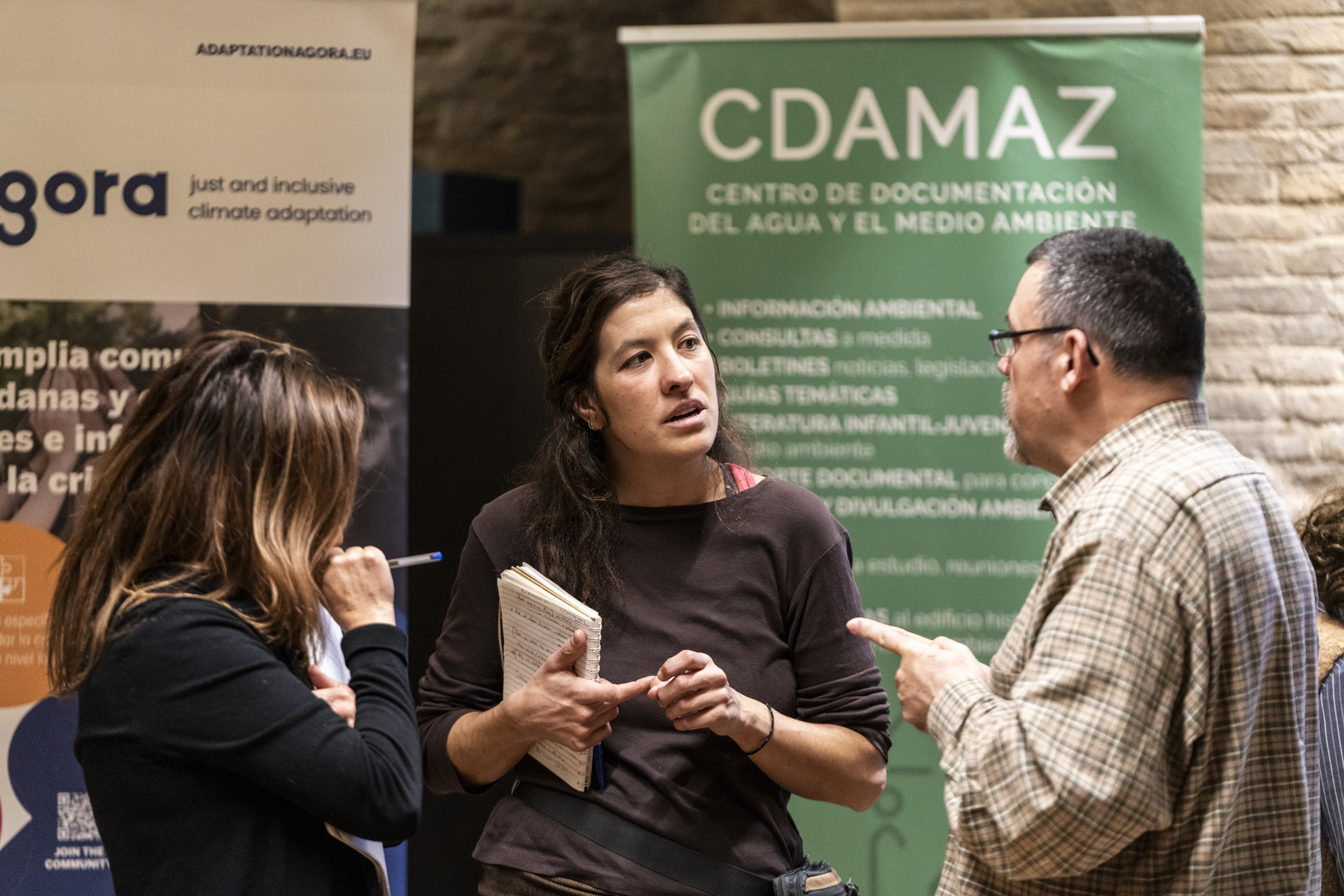
One of the best ways to fight climate change is to spread information among communities. But what happens when this information gets twisted, reworded, or muffled by inaccurate sources? This is climate disinformation and it is designed to stall climate action. Climate disinformation is a serious barrier in the climate fight. It causes doubt and distrust in science, weakened support for climate action, and can hinder policy and international action. The IPCC AR6 report shows that while evidence clearly links human activities to climate change, misguided efforts clouded by disinformation can lead to public polarization, which delays and corrupts climate action.
Now this is not to say you should blindly accept scientific information. Being skeptical is natural and a good thing to practice. It means that you consider all sources of information before coming to a conclusion. However, you’ll find that arguments expressing climate skepticism typically use cherry-picked information or outdated sources to “win” their argument. This is not skepticism, it is ignoring the facts and spreading disinformation. Climate disinformation can take many forms, from hard denial and conspiracy theories to softer attempts at discrediting science, claims that climate change is not man-made or that the threat is not as bad as scientists say. Some will use cherry-picked statistics to try and discredit scientific evidence or misleading headlines to lessen the impact of climate change. Disinformation is often caused by local actors, like political parties, and mainstream media. This differs from country to country, from community to community. This is where media literacy comes in.

With the rise of social media, disinformation is trickier than ever. It is easy to become overwhelmed by all the differing information available. It is, therefore, important to be knowledgeable about disinformation and ways to combat it. The best ways to recognize climate disinformation:
- Check your sources. If your source references scientific institutions, peer-reviewed journals, and reputable news outlets, then you are good to go!
- Pay attention to the language and tone. If your source uses sensationalist language, exaggerations, and appeals to strong emotions, then it’s best to fact-check it.
- Fact-check. It is important to make use of independent fact-checking websites available to help you verify claims. In Europe, the EDMO is a major independent fact-checking organization that provides numerous resources on disinformation and other topics
These disinformation tells are part of the larger capacity of media literacy. Media literacy encompasses all the technical, cognitive, social, civic, and creative capacities that allow citizens to access, have a critical understanding of the media, and interact with it. Building individual and communal media literacy helps people break down disinformation, making them less-likely to be affected by it. Greater public awareness also plays a vital role in fighting disinformation. As communities are more informed about climate change, they will be less likely to succumb to climate disinformation. Growing the capacity of individuals and communities makes the fight against disinformation that much more stronger.
To do our part in the fight against climate disinformation, the Climate Change Disinformation Academy produced by the Adaptation AGORA Project creates an online safe space for climate information and aims to build the awareness of users with reliable climate change information and fact-checked data from credible sources. The Academy handles topics like media literacy to enhance users ability to identify disinformation and provides real-world examples of climate disinformation. The fight against disinformation is one of the biggest barriers to climate action, and platforms like the Climate Change Disinformation Academy are essential in building comprehensive public awareness.


